South of central Tokyo, in the district of Meguro, lies the Gajoen—a place where the past refuses to fade quietly. Within its walls is the Hyakudan Kaidan, the "Thousand-Step Staircase," a magnificent relic of early Showa-era wooden architecture. Despite its grand name, however, the staircase consists of exactly ninety-nine steps. Whether this was a nod to the auspicious nature of odd numbers or merely a carpenter’s miscalculation remains a mystery, but the discrepancy feels like a subtle, historical prank on the weary visitor.
Lined along this steep ascent are seven exquisite chambers, each hosting its own world of curated art and craft. Climbing these stairs is an ordeal for the lungs; pausing at every landing to peer into another dense, ornate room makes the journey feel more like a trial than a tour.
It was during this labored pilgrimage that I stumbled into a room dedicated to the concept of the matsuri—the Japanese festival. The space, a modest tatami-matted hall, felt suddenly, violently small. Occupying the center was a massive Neputa float, a towering lantern of paper and light. These giants are born to roam the wide, dark avenues of Aomori under an open sky; seeing one caged within the confines of a wooden ceiling made it look desperately claustrophobic.
Among enthusiasts, there is a distinction: the three-dimensional figures of Aomori City are Nebuta, while the fan-shaped floats of Hirosaki are Neputa. There are, no doubt, layers of linguistic history and regional pride buried in that single vowel shift. But to my amateur eyes, standing there in the dim light, such nuances mattered little. Before me was simply a colossal, glowing effigy of paper, pulse, and paint.
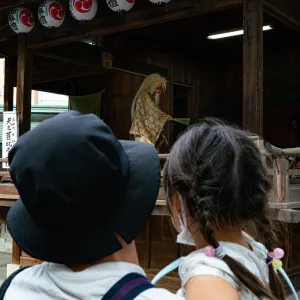
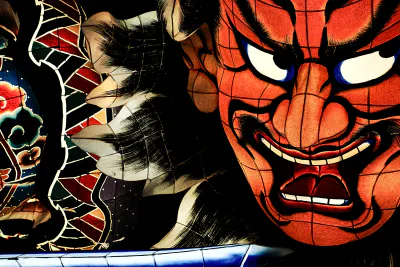
What commanded my attention most was a figure with a face of vivid, searing crimson. It was a warrior caught in a permanent, ferocious glare—a piece that had actually seen battle in the festivals of the north. The bold, calligraphic strokes of his kumadori makeup and the bared teeth of his open mouth created an expression of primal ferocity. Clutched in his hand was a katana, held with such conviction that I half-expected him to carve a path through the huddle of tourists.
Yet, for all its terrifying spirit, the warrior remained a construct of paper and wire. As I looked at those fierce, painted eyes, my mind drifted away from the mythic and toward the mundane: How on earth did they get this thing up those ninety-nine stairs? In the presence of such a magnificent, glowing god, I found myself alone with my stubbornly practical questions—left to wonder about the logistics of magic in a world built of wood and narrow steps.
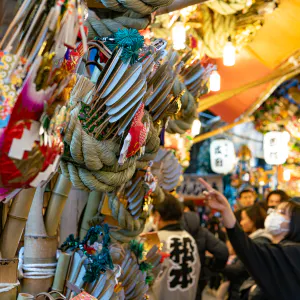
目黒雅叙園に展示されていたねぶた提灯。
都内の南、目黒にある雅叙園に足を運んだ。ここには昭和初期の豪奢な木造建築である百段階段という代物がある。百段と名乗っておきながら、実際には九十九段しかない。縁起を担いだ奇数なのか単なる大工の数え間違いか分からないが、少し人を食ったような話だ。その階段に沿って、七つの立派な部屋が連なっている。それぞれの部屋では、趣向を凝らした異なるジャンルの催し物が展示されていた。急な階段を上るだけでも息が切れる。それなのに、通りがけにいちいち部屋を覗き込まなければならないのだから、ひどく骨の折れる見物である。
 | 著者 : 西村京太郎 発売日 : 2020-05-22 |
その骨の折れる見物を続けながら、ある部屋に入った。そこは「お祭り」をコンセプトにした展示空間であった。決して広くない畳敷きの部屋の中に、巨大なねぷたの山車灯籠がどしんと居座っている。本来であれば青森の広い夜道を練り歩くはずの巨大な灯籠だ。それがこんな閉ざされた室内に押し込められているのだから、なんとも窮屈そうに見える。ちなみに、青森市で運行される立体的なものを「ねぶた」、弘前市などで見られる扇型のものを「ねぷた」と呼ぶのが一般的らしい。訛りの違いなど細かい歴史はあるのだろう。しかし素人の僕が気にしたところで、どうせ暗闇で光る巨大な張り子であることに変わりはない。