An auto rickshaw with passengers on board but no driver was parked
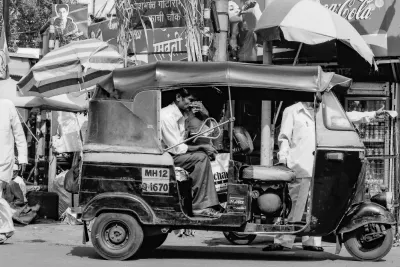
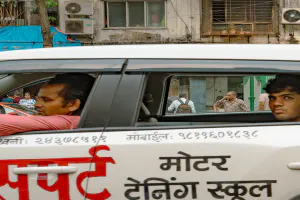
On a crowded street in Pune, an auto-rickshaw stood idling by the curb. Its yellow-and-black body had absorbed just the right amount of exhaust and dust, wearing the kind of face that suggested no one remembered what it looked like when it was new. Two passengers sat in the back seat, yet the driver was nowhere to be seen. He hadn’t fled, apparently, but there was no sign of his imminent return either. The two men seemed to be quietly resigned to the wait.
Around them, auto-rickshaws, cycle rickshaws, and cars streamed past without pause. Horns blared incessantly, less as signals than as declarations of existence. Still, the passengers remained untroubled. The man closest to me blew his nose without ceremony; the other gazed out at the traffic, as if watching a familiar river flow by. In Japan, placed in the same situation, one would likely glare at a wristwatch and let out an audible click of the tongue. Here, such gestures would feel oddly out of place.
The auto-rickshaw is an emblem of urban life in India, and in Pune it serves as an indispensable means of transport. Travelers are often warned that even when a meter is installed, it should not be trusted blindly. Yet no guidebook mentions the possibility that the driver himself might simply vanish. Perhaps that omission makes sense. In this country, the unspoken rule seems to be that nothing proceeds exactly as planned, and accepting that premise is simply part of the fare.
| Sep 2015 INDIA VEHICLE | |
| AUTO RICKSHAW PASSENGER PUNE |
Similar photos
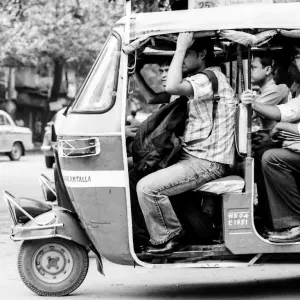
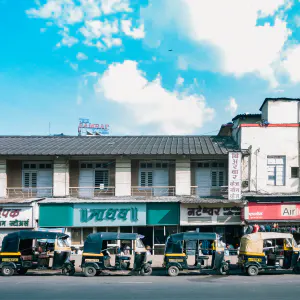
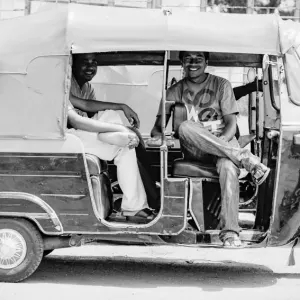
PHOTO DATA
No
9473
Shooting Date
Sep 2010
Posted On
September 8, 2015
Modified On
December 22, 2025
Place
Pune, India
Genre
Street Photography
Camera
CANON EOS 1V
Lens
EF85MM F1.2L II USM